Branches That Block Light and Airflow
Tree Trimming Services in Charlotte for overgrown canopies reducing sunlight and increasing storm risk
Overgrown tree canopies create dense shade that prevents grass growth beneath, traps moisture that encourages fungal development, and presents excessive wind resistance during storms. Better Rate Tree Service provides tree trimming in Charlotte for residential and commercial properties where crown density has increased to the point of blocking sunlight, restricting airflow, or allowing branches to contact rooflines and siding. Trimming focuses on selective removal of specific branches rather than indiscriminate cutting, preserving the tree's structural integrity while addressing overgrowth issues.
Crown thinning removes interior branches to reduce density without altering the tree's overall shape, allowing light penetration to lower canopy levels and improving air circulation that reduces disease pressure. Branch clearance from homes and structures involves removing limbs within six to ten feet of buildings, eliminating contact points where repeated abrasion damages roofing materials and creates entry points for pests. Seasonal tree maintenance programs establish trimming schedules based on species-specific growth rates and dormancy periods, ensuring work happens when trees can compartmentalize wounds most effectively.
Arrange an on-site consultation to evaluate canopy density and determine which branches require removal.
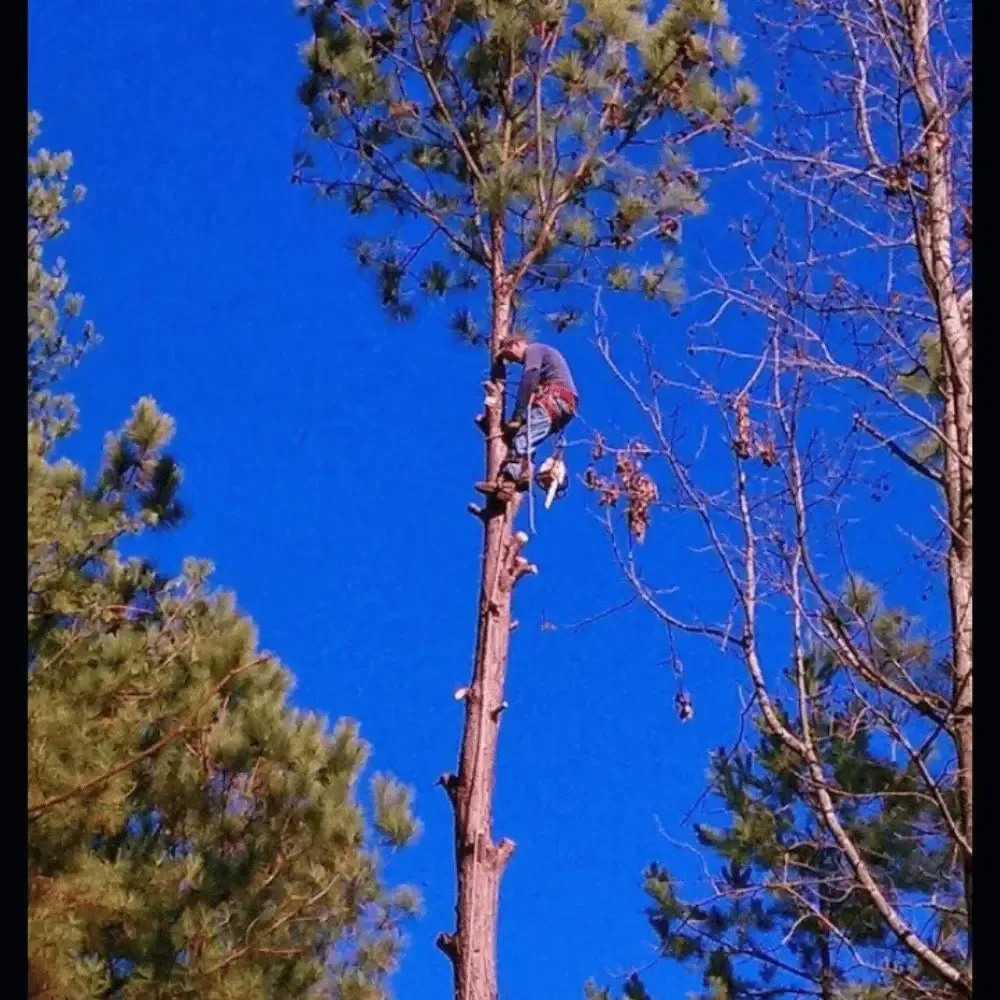
Why Crown Thinning Works for Overgrown Trees
Thinning removes selected branches throughout the crown rather than shortening all branch tips, which maintains the tree's natural form while reducing weight and wind resistance. The process targets branches that cross or rub against others, water sprouts growing vertically from horizontal limbs, and interior growth that receives insufficient light to photosynthesize effectively. Removal of these branches redirects growth energy to remaining limbs, improving overall tree health and structural balance.
After trimming, you'll notice increased light reaching the ground beneath the tree, better grass growth in previously shaded areas, and elimination of branches scraping against structures during wind events. The canopy appears less dense but retains its shape, and improved airflow reduces the humidity that promotes foliar diseases common in Charlotte's warm, humid summers. Aesthetic shaping and appearance enhancement refine the tree's profile while maintaining its natural growth pattern.
Trimming does not include removal of large structural limbs, which falls under pruning or removal services depending on the limb's condition and position. Proper trimming avoids topping, which removes excessive canopy material and forces weak regrowth that creates long-term structural problems. Timing depends on species—oaks should be trimmed during dormancy to reduce oak wilt transmission risk, while most other hardwoods tolerate trimming throughout the growing season.
Answers to Frequent Service Questions
Clients typically want to know how trimming differs from pruning, what changes they'll see, and how often the work should be repeated.
What is the difference between trimming and pruning?
Trimming focuses on controlling size and density by removing smaller branches and foliage, while pruning involves selective removal of larger structural limbs to address safety concerns, disease, or significant defects in the tree's framework.
How much of the canopy can be removed at once?
Proper thinning removes no more than fifteen to twenty percent of the live crown in a single session to avoid shock and maintain the tree's ability to produce food through photosynthesis—excessive removal forces stress responses that weaken the tree.
When should trees be trimmed in Charlotte?
Late winter before spring growth begins provides the best visibility of branch structure and allows wounds to close quickly once growth resumes, though most species tolerate trimming year-round except during extreme heat or drought stress.
Does trimming prevent storm damage?
Reducing crown density and removing weak or poorly attached branches decreases wind resistance and eliminates limbs likely to fail during storms, though no trimming can fully prevent damage from severe weather events like hurricanes or tornadoes.
How often do trees need trimming?
Growth rate determines frequency—fast-growing species like silver maples may require trimming every two to three years, while slower species like oaks may need attention only every five to seven years depending on site conditions and proximity to structures.
Better Rate Tree Service offers seasonal maintenance programs that establish regular trimming schedules based on your property's tree species and growth patterns. Request an evaluation to review current canopy conditions and develop a maintenance timeline.