Surfaces Clear Enough to Build On
Stump Removal Services in Charlotte for properties needing full root ball extraction and site preparation
Better Rate Tree Service handles stump removal in Charlotte by extracting the entire root ball rather than just grinding the surface wood away. Homeowners and property owners typically need this level of removal when building structures, installing pools, or preventing decay and pest problems that follow a tree's removal. Full extraction creates a clean site where nothing remains underground to interfere with construction or attract termites and carpenter ants.
The process involves excavating around the stump to expose the main root structure, cutting anchor roots, and pulling the entire mass from the ground. Grinding leaves wood chips and a network of decomposing roots below grade, which settle over time and create voids. Full removal eliminates that issue and provides stable ground for whatever comes next.
Schedule a property evaluation to identify root spread and determine excavation requirements for your site.
What Happens After the Stump Is Gone
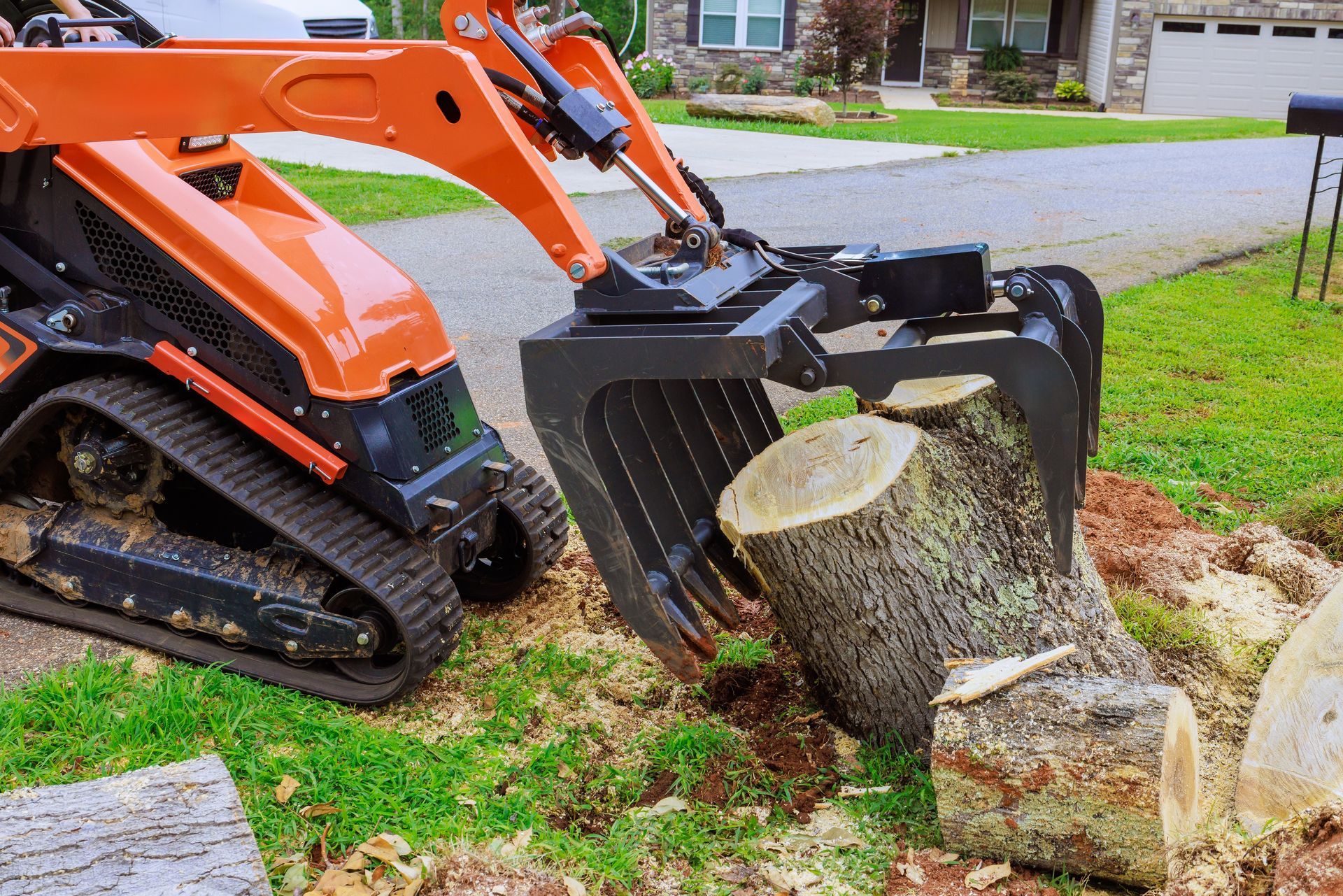
Removing the root ball leaves a crater that requires backfilling and regrading to restore the surface. Better Rate Tree Service provides backfill material matched to your soil type and compacts it in layers to prevent settling. The restored area can support foot traffic, landscaping, or construction immediately once grading is complete.
You'll notice the site is level with surrounding grade and free of the soft spots that develop when stumps are ground and left to decay below the surface. The absence of decomposing wood also eliminates the moisture and fungal activity that draw subterranean termites and other wood-boring insects to the area. Properties prepared for construction or hardscaping benefit from stable ground that won't shift as buried roots break down over the following years.
The excavation depth depends on the tree species and how the root system developed. Shallow-rooted trees like maples leave roots concentrated in the top two feet, while deeper-rooted oaks may require excavation to three feet or more. Site access and equipment size also affect the approach, particularly in fenced yards or areas with overhead utility lines.
What Homeowners Ask About Root Removal
Property owners in Charlotte often have similar concerns before starting stump removal work, especially when planning construction or addressing pest risks.
What makes full root ball removal different from stump grinding?
Grinding cuts the stump below grade but leaves the root system intact to decay over several years, which creates settling and attracts insects. Full extraction removes the entire structure and eliminates those issues.
How large a hole does removing the root ball create?
The excavation typically extends one to two feet beyond the stump's diameter and reaches the depth of the main lateral roots, usually between two and four feet depending on the tree species.
Can the site be used for construction right after removal?
Once backfilled and compacted properly, the area provides stable ground for building footings, driveways, or other structures without waiting for decomposition to complete.
What happens to the soil removed during excavation?
Excavated soil is separated from root material and reused as backfill when possible, with additional clean fill added to restore grade and ensure proper compaction.
Why does leaving a stump attract pests?
Decomposing wood holds moisture and creates fungal growth that draws termites, carpenter ants, and wood-boring beetles, particularly in Charlotte's humid climate where decay accelerates during warm months.
Better Rate Tree Service coordinates stump removal with your project timeline to keep construction schedules on track. Request an on-site consultation to review root structure and site conditions specific to your property.