Trees Maintained Before Storms Arrive
Residential Tree Services in Charlotte for single-family properties with overgrown canopies and storm-vulnerable branches
Overgrown branches near rooflines and power lines create hazards that become critical during Charlotte's severe thunderstorms and occasional tropical systems. Better Rate Tree Service provides residential tree care that includes removal, trimming, and health evaluations designed to reduce storm damage risk while maintaining the aesthetic value of mature trees. Homeowners typically schedule this work when branches overhang structures, when dead wood accumulates in the canopy, or when tree growth begins interfering with utility lines.
The service involves assessing tree structure and health, removing dead or damaged limbs, thinning dense canopies to reduce wind load, and addressing growth patterns that threaten structures or infrastructure. Customized maintenance plans account for species-specific growth rates and the unique conditions of each property, from soil drainage to sun exposure.
Arrange a tree health evaluation to identify structural weaknesses and develop a trimming schedule.
How Routine Maintenance Protects Property
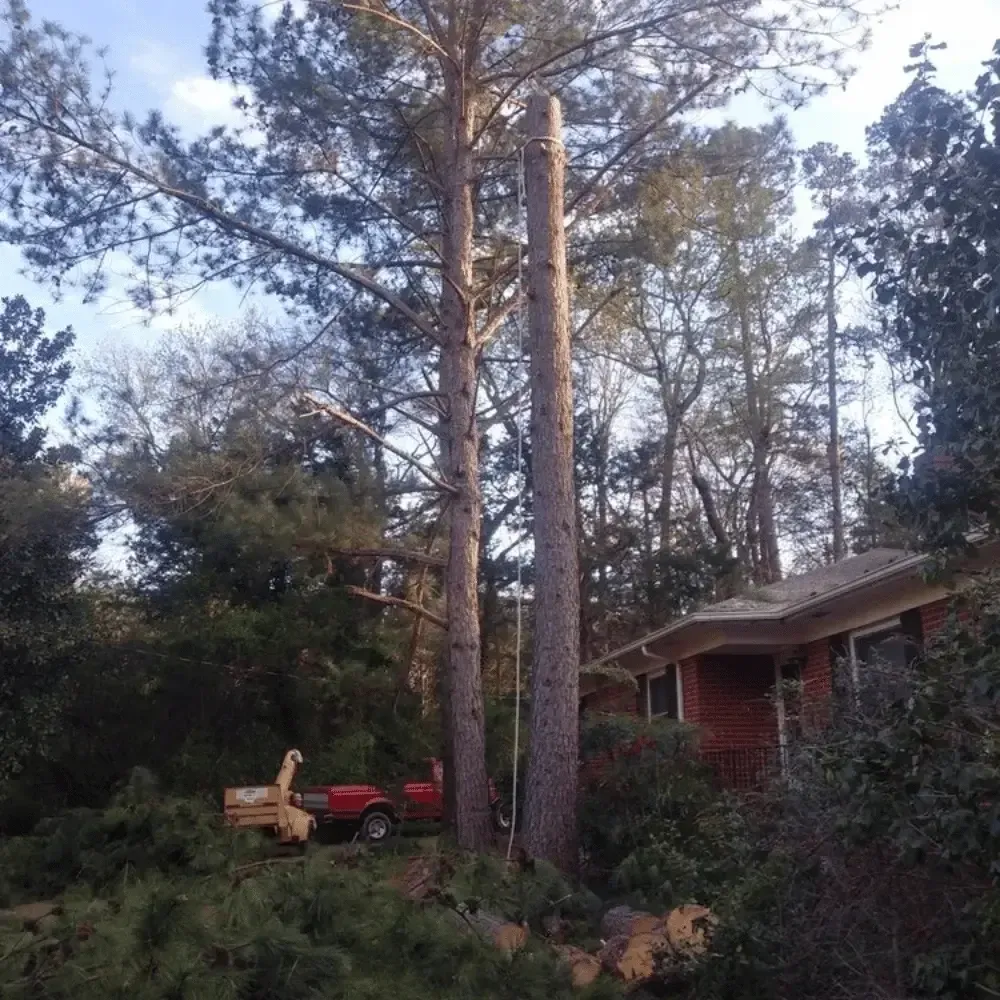
Trimming reduces wind resistance by thinning the canopy and removing crossing branches that rub and create weak points. Health evaluations identify decay, insect damage, and root problems before they compromise the tree's stability. Better Rate Tree Service documents conditions over time to track changes and adjust maintenance intervals based on how each tree responds.
After trimming, you'll see increased clearance around the house and power lines, and the canopy appears more open without the dense interior growth that catches wind. Storm preparation work removes the weak hangers and dead limbs that typically fall first during high winds, which reduces the risk of roof damage and power outages. Trees maintained on a regular schedule develop stronger structure because corrective pruning guides growth while limbs are still small and cuts heal quickly.
Maintenance frequency depends on species and growth rate. Fast-growing trees like Bradford pears and water oaks require annual attention, while slower species like Southern magnolias may only need trimming every two to three years. The work typically occurs during dormant seasons to minimize stress, though hazard removal and storm cleanup happen as needed.
Answers Homeowners Need Before Scheduling
Residential tree work involves decisions about timing, scope, and long-term care that affect both safety and curb appeal.
What does a tree health evaluation include?
The evaluation examines trunk condition, canopy density, branch structure, signs of disease or insect activity, and root stability to identify current problems and predict future risks.
How much clearance should exist between branches and the house?
Most insurance standards recommend at least six to ten feet of clearance to prevent roof damage from rubbing branches and to reduce the risk of limbs falling during storms.
When is the best time to trim trees in Charlotte?
Late winter before spring growth begins is ideal for most species, though storm damage and hazardous limbs require immediate removal regardless of season.
What is included in a customized maintenance plan?
Plans specify trimming intervals, outline priority areas like clearance zones and hazard limbs, and document tree conditions over time to track health changes and adjust care as trees mature.
Can trimming actually harm a tree if done incorrectly?
Yes—topping, removing too much canopy at once, or making improper cuts creates stress, invites decay, and often results in weak regrowth that poses greater risk than the original structure.
Better Rate Tree Service tailors residential maintenance to your property's specific conditions and your concerns about safety and appearance. Contact our office to schedule an initial assessment and discuss maintenance options for your trees.